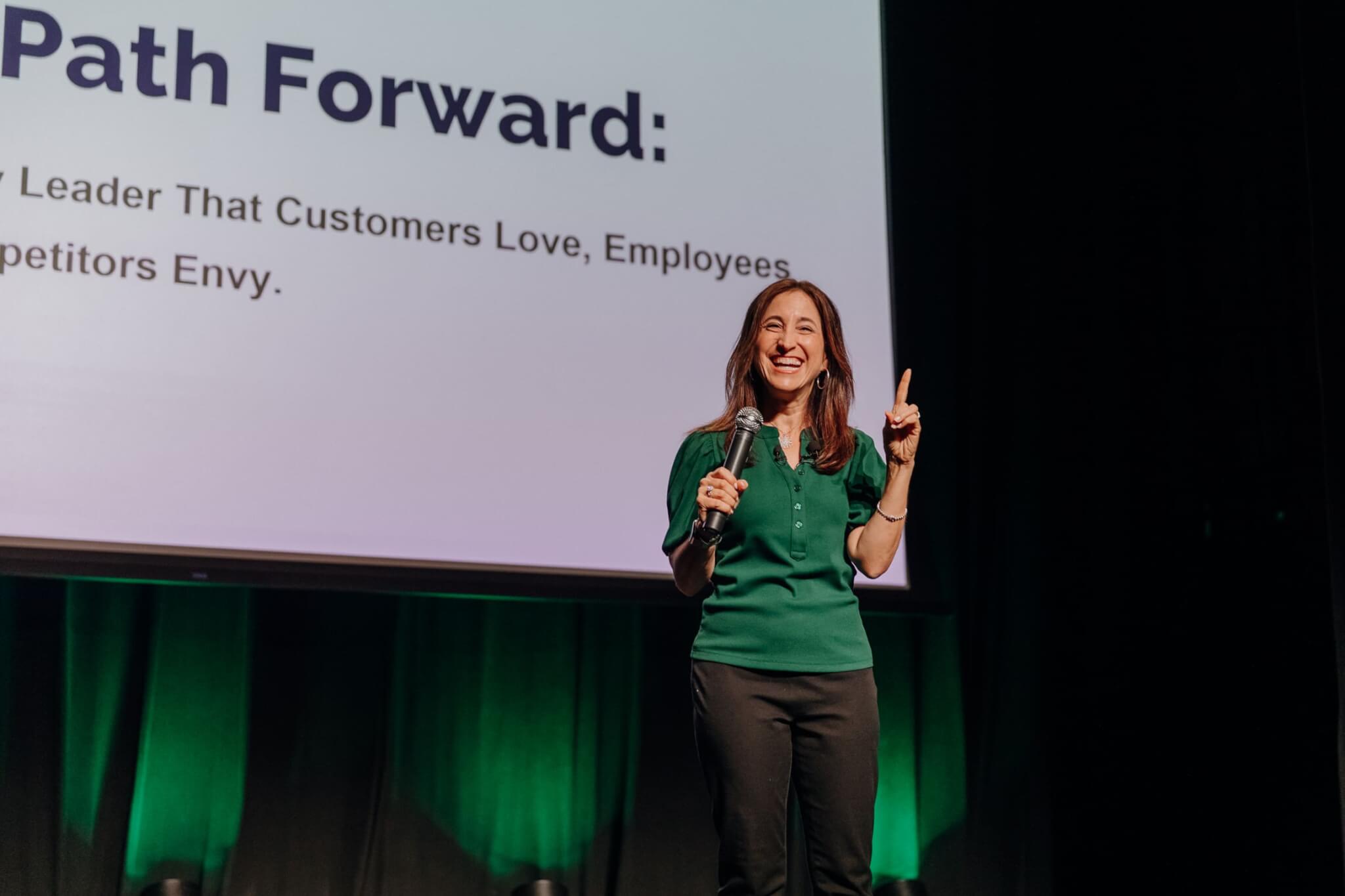

Building a true customer‑centric operating model can turn good intentions into measurable business success. According to recent research, 86% of buyers are willing to pay more for a better customer experience, and 73% of customers rank CX as a key factor in purchasing decisions (Walker, PwC).
In this conversation, CX veteran Jeannie Walters walks us from the early moments that sparked her passion to her vision of CX as a strategic asset — where every “micromoment,” emotion, and detail adds up to loyalty, retention, and long-term growth.
Jeannie Walters’ journey in CX Leadership
Q: You’ve been a pioneer in customer experience for more than 16 years. What sparked your passion for CX, and how did it evolve into a lifelong mission?
My passion for customer experience began long before CX had a name. Early in my career, I watched how seemingly small moments, things like an unclear message, a broken process, a neglected customer request, could completely change how people felt about a brand. I became obsessed with understanding those moments and helping organizations do better.
I realized there are a lot of good intentions around CX, but there isn’t much connection to real business outcomes. That’s when I decided to work with leaders who want to drive performance and revenue by making customer experience their greatest competitive advantage. It’s at the heart of my upcoming book, Experience is Everything, where I explore why mindset, strategy, and discipline must work together to create meaningful customer experiences that drive real business outcomes. I’m passionate about empowering leaders to do right by their customers and their organizations.
The Philosophy behind “fewer ruined days”
Q: You often say your goal is to “create fewer ruined days for customers.” What inspired that philosophy, and how has it shaped your approach to CX?
That’s actually our company mission!
“Fewer ruined days” is a reminder that customer experience is deeply human. Customers are trying to navigate their lives, not buy a product. Our job is to make it easier, not harder. It’s crucial to remember that an intentional customer experience strategy is ultimately about honoring people’s time, emotional bandwidth, and dignity. When organizations embrace that, everything else falls into place.
Experience Investigators: Building a CX-Focused Business
Q: You founded Experience Investigators long before CX became a buzzword. What motivated you to start the company, and how has your mission changed since then?
I started Experience Investigators because I wanted to help organizations view experiences from the customer’s perspective—something that wasn’t common at the time. I believed (and still believe) that organizations need strategic clarity and operational discipline to truly serve customers.

And our role as leaders is to stay constantly curious. We need to seek out the WHY of customer feedback, why they behave the way they do, why they make their choices. And that is investigation. That’s why I named the company Experience Investigators.
Why qualitative insights still matter in CX
Q: Your team focuses on human evaluations of experience. Why do you think the qualitative side of CX still matters in such a data-driven world?
Quantitative data tells you what’s happened. Qualitative insight tells you why. And in CX, the “why” is where transformation begins.
I often emphasize with the leaders I work with and the audiences I speak to that customer experience is fundamentally emotional. People make decisions based on emotion and justify them with logic. Human evaluation, tools like customer interviews, observations, and journey mapping, capture the feelings, motivations, and context behind behavior. Without that, data alone is incomplete.
Loyalty today: trust, consistency, and emotional resonance
Q: You’ve worked with brands like SAP, Verizon, and Citrix. In your view, what’s changed about how brands earn loyalty today compared to a decade ago?
A decade ago, some brands assumed loyalty was built on convenience or habit. Today, it’s built on consistency, trust, and emotional resonance. Customers expect companies to respect their time, know their preferences, and communicate transparently. Today’s loyalty is driven by partnership. As customers, we want brands to understand us, support our goals, and anticipate our needs. The only way that’s possible is if that brand is truly understanding our needs beyond a product.

One theme I explore in the book is how loyalty now requires a proactive strategy, not reactive fixes. The brands earning loyalty today are the ones designing experiences that anticipate needs rather than just solving problems.
Micromoments: the underrated drivers of customer retention
Q: When you look across your client work, what do you think is the most underrated factor in keeping customers loyal and coming back?
The most underrated factor is mastering the small, often neglected, “in-between moments” - the places in the journey where customers aren’t actively interacting with your brand but still need reassurance or guidance. I refer to these as micromoments. They are small and often not measured, but they build or erode trust along the journey. These moments are often invisible internally, but they’re where loyalty is built.
Shifting from reactive to proactive customer strategies
Q: How can organizations shift from responding to customer issues to anticipating customer needs to drive long-term loyalty?
Shifting from reactive to proactive begins with understanding the entire journey—not just isolated touchpoints. You have to recognize patterns, address predictable obstacles, and build systems that support customers before they need help.
- Mapping journeys from the customer’s perspective to uncover predictable pain points
- Connecting data across silos so insights are shared rather than trapped
- Empowering frontline teams to surface early signals of customer needs
Anticipation comes from organizational maturity and alignment.
Developing a customer-centric operating model
Q: In your LinkedIn Learning course “Developing a Customer-Centric Operating Model,” you emphasize that CX isn’t just a department; it’s a culture. What are the first steps leaders should take to make CX part of daily operations?
The first step is to create shared understanding: What does customer experience mean for your organization? Without that alignment, CX becomes fragmented.
Next, leaders need to connect CX to strategic priorities. When CX is linked to growth, retention, and risk mitigation, it naturally becomes part of decision-making.
Finally, embed accountability. CX goals should be visible in performance evaluations, team rituals, and leadership conversations. The Mindset, Strategy, and Discipline approach is what leads to ongoing customer experience commitment throughout the culture. That’s what I outline in the book.
Using data to support, not surveil, customer experience
Q: You’ve also talked about how technology and AI can empower CX teams when used the right way. How do you think organizations can leverage data and automation while still keeping the experience deeply human?
Technology should amplify humanity, not override it. But let’s face reality - AI is here and it’s creating positive automations and accelerations.
- Ensuring seamless transitions between digital tools and humans
- Giving customers choice and control
- Using data to support—not surveil
Technology becomes a strategic asset only when paired with clear CX principles. Human-centered design must guide technological innovation. And leaders must start with who the organization is to their customers, and create the right standards and guardrails to ensure the technology is reflecting the brand in authentic ways.
Lessons from CX education and the Experience Action podcast
Q: More than half a million learners have taken your LinkedIn Learning courses. What’s one lesson that consistently surprises people when they start learning about CX?
Many people are surprised by how much the employee experience drives the customer experience. They expect CX to be entirely outward-facing, but they quickly learn that internal alignment, communication, and culture have enormous impact.

This theme appears throughout Experience Is Everything because if employees don’t feel supported, empowered, and informed, your customers will feel the ripple effects.
Common challenges in implementing CX across teams
Q: On your Experience Action podcast, you help leaders turn big CX ideas into everyday action. What’s one of the most common questions or challenges you hear from listeners?
The biggest challenge is getting everyone on board. Leaders often understand the value of CX, but aligning cross-functional teams is harder than it looks. Silos, competing priorities, and mismatched metrics get in the way.
We need to get real and create tangible, actionable tools for everyone to deliver on a meaningful customer experience. Theory is great, but organizations need help implementing CX in the real world.
Small Companies’ CX Agility: Insights for Large Enterprises
Q: You’ve worked with organizations of every size, from startups to Fortune 500s. Based on that experience, what do you think smaller, more agile companies can teach large enterprises about staying truly customer-centric?
Smaller organizations excel at closing the gap between insight and action. They iterate quickly, listen closely, and maintain a direct connection to customers.
Empower loyalty through a customer-centric operating model
Jeannie Walters highlights how a customer-centric operating model strengthens loyalty and retention. It’s not just about solving problems as they arise. The real success comes from anticipating customer needs and paying attention to the small “micromoments” that shape perception.
The key to driving loyalty is alignment across teams. When everyone shares the same understanding of the customer journey and acts on insights, organizations can create consistent, meaningful experiences. Embedding CX into culture, empowering employees, and combining human insight with data ensures every interaction builds trust and emotional connection.
Ultimately, loyalty isn’t accidental. It’s designed through intention, empathy, and a customer-centric approach that turns insights into action.